|
Many researchers have
proposed a link between the isoflavone-rich Asian diet and a lowered risk
of menopausal problems in Japanese women, including reduced rates of
cardiovascular disease. In one of the first published studies on a purified
red clover extract (Trifolium pratense L., Fabaceae) scientists
found that the supplement improved arterial compliance (a measure of
elasticity of the large arteries) in postmenopausal women (Nestel et
al., 1999). Declining arterial compliance during and after menopause is
known to increase a woman's chance of developing heart disease later in
life.
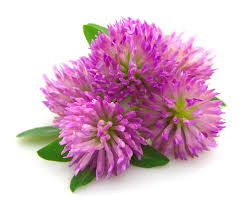 Researchers in Australia
tested two different dosages of red clover extract against placebo in this
randomized, double-blind, placebo-controlled study. After an initial three
to four week run-in period and a five-week placebo period for all 17
participants, the women were divided into two treatment groups for an
additional 10 weeks. During the first five weeks of active treatment, women
took either one red clover tablet (40 mg isoflavones) and one placebo
tablet daily, or two placebo tablets daily. During the final five weeks of
the study, the dosage for the red clover group was increased to two red
clover tablets (80 mg isoflavones) daily. The red clover extract
(Promensil®, Novogen Ltd., North Ryde, Australia) was standardized to
contain the following isoflavones: 4 mg genistein, 3.5 mg daidzein, 24.5 mg
biochanin, and 8 mg formononetin. Researchers in Australia
tested two different dosages of red clover extract against placebo in this
randomized, double-blind, placebo-controlled study. After an initial three
to four week run-in period and a five-week placebo period for all 17
participants, the women were divided into two treatment groups for an
additional 10 weeks. During the first five weeks of active treatment, women
took either one red clover tablet (40 mg isoflavones) and one placebo
tablet daily, or two placebo tablets daily. During the final five weeks of
the study, the dosage for the red clover group was increased to two red
clover tablets (80 mg isoflavones) daily. The red clover extract
(Promensil®, Novogen Ltd., North Ryde, Australia) was standardized to
contain the following isoflavones: 4 mg genistein, 3.5 mg daidzein, 24.5 mg
biochanin, and 8 mg formononetin.
At the beginning of the
study, all women were free of obvious cardiovascular disease. Participants
were required to discontinue the use of any drugs or supplements that might
affect cardiovascular health for at least six weeks prior to treatment, and
were instructed to avoid eating isoflavone-rich legumes such as soy
throughout the study. At the end of each period (run-in, placebo, and two
active periods), researchers measured arterial compliance using ultrasound,
as well as isoflavonoid absorption and serum cholesterol levels.
The results of the study
revealed a statistically significant increase in arterial compliance in the
red clover group, compared to placebo (a value of 23.7 versus 16 in the
placebo group). No side effects were reported. The effects on heart health
were similar to those of a 1998 placebo-controlled study on hormone
replacement therapy (HRT), which found a 24 percent greater value in
arterial compliance in those taking HRT. The results of red clover
treatment are especially impressive considering the number of serious side
effects associated with HRT, such as an increased risk of depression, high
blood pressure, breast cancer, and other problems. In this study, there was
also a 10 percent downward trend in the ratio of harmful LDL cholesterol
(which decreased) versus healthful HDL levels (which increased), although
the change was not statistically significantly different from placebo
measurements. There appeared to be little difference between the effects of
the two dosage schedules (40 and 80 mg of isoflavones) tested in this
study.
An important drawback to
this study was the small sample size of 17 participants, which included a
placebo group of only three women. Data from the placebo group was not
subjected to statistical analysis because of the small number of subjects.
Interestingly, the placebo group originally included five women until two
dropped out, citing a return of "intolerable menopausal symptoms
requiring hormone replacement treatment." Although this study was not
specifically designed to test red clover's effects on menopausal symptoms
such as hot flashes, it is interesting to note that no one taking red
clover dropped out due to uncomfortable menopause-related complaints.
|


Comments
Post a Comment